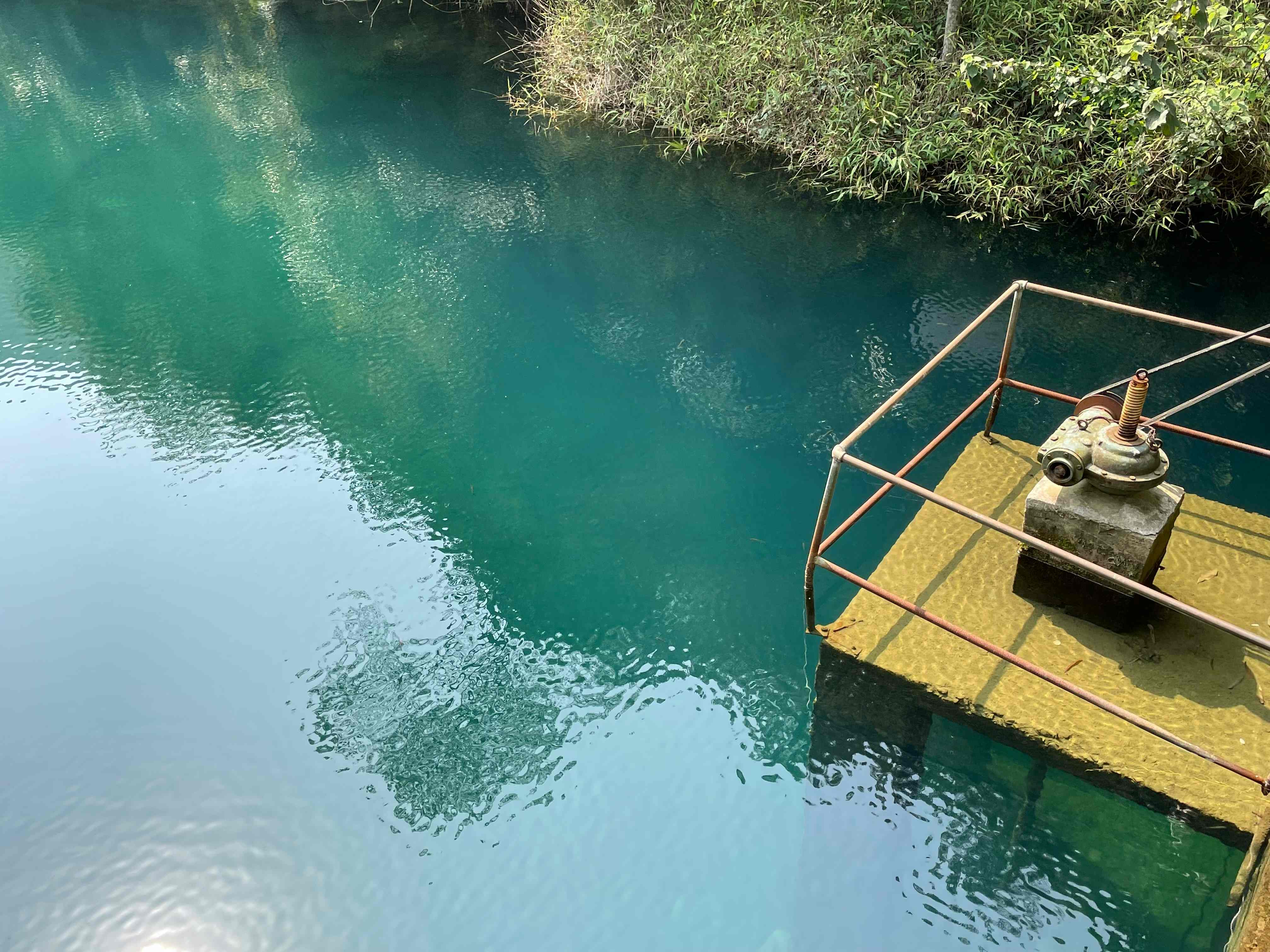
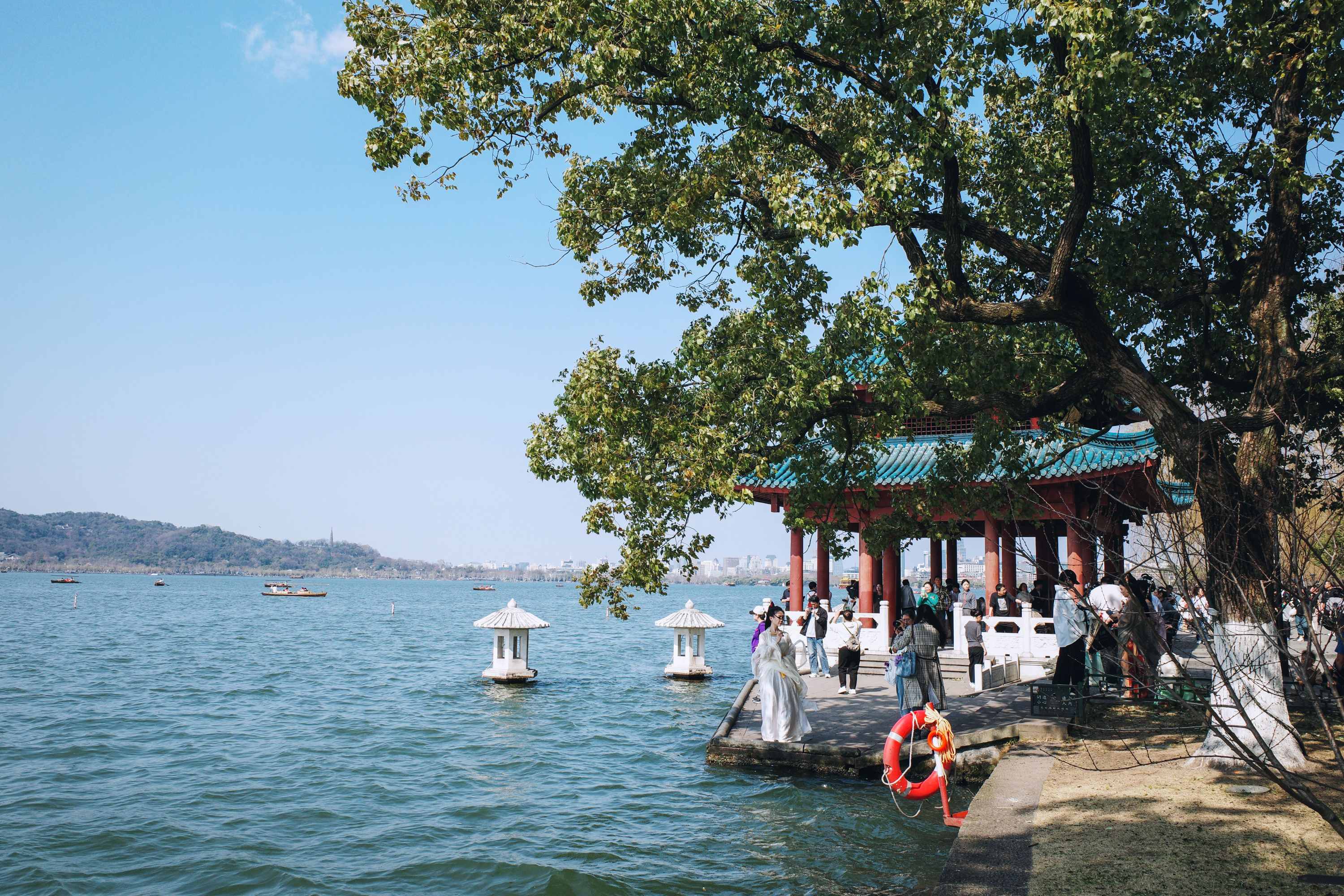
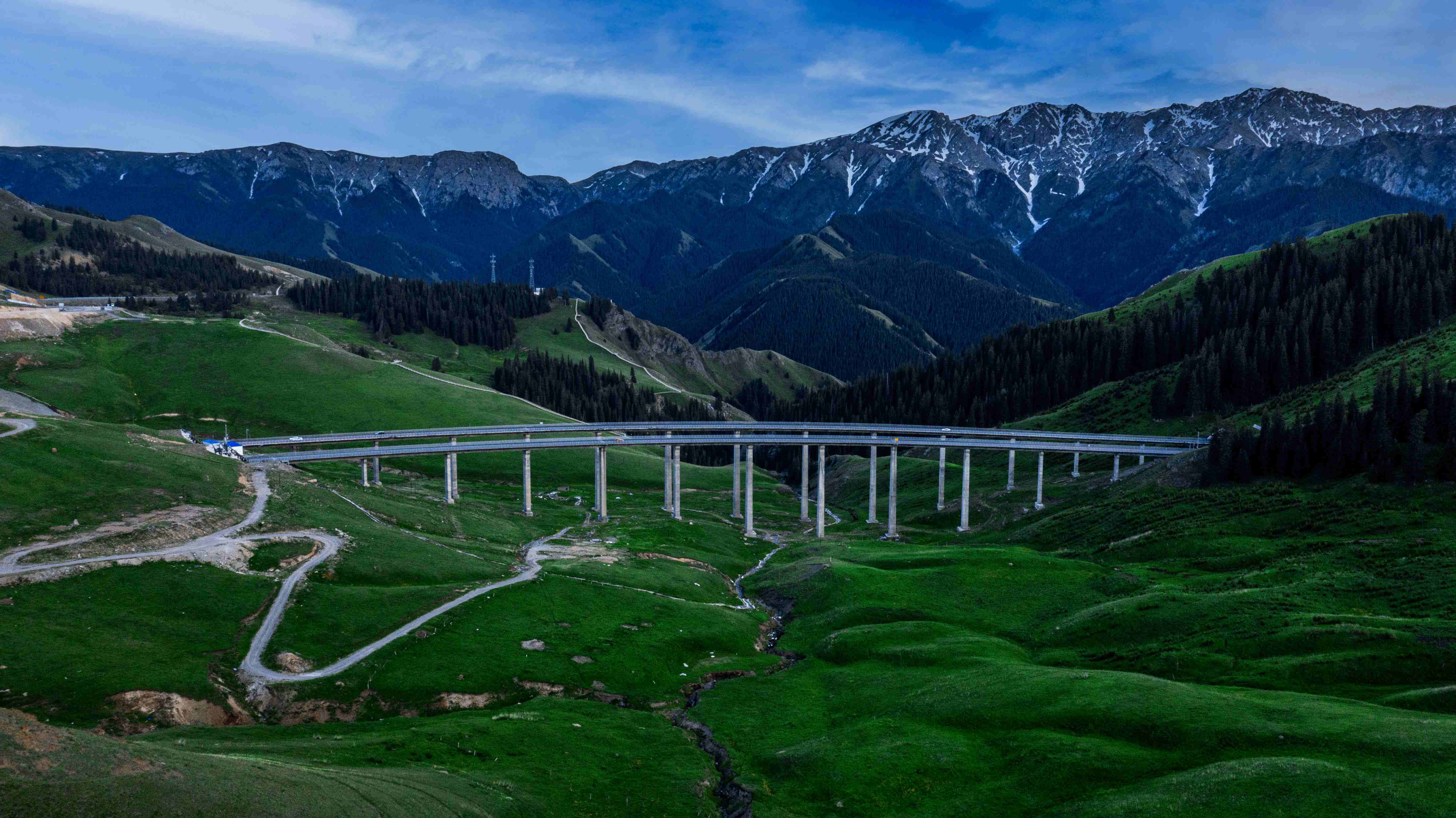
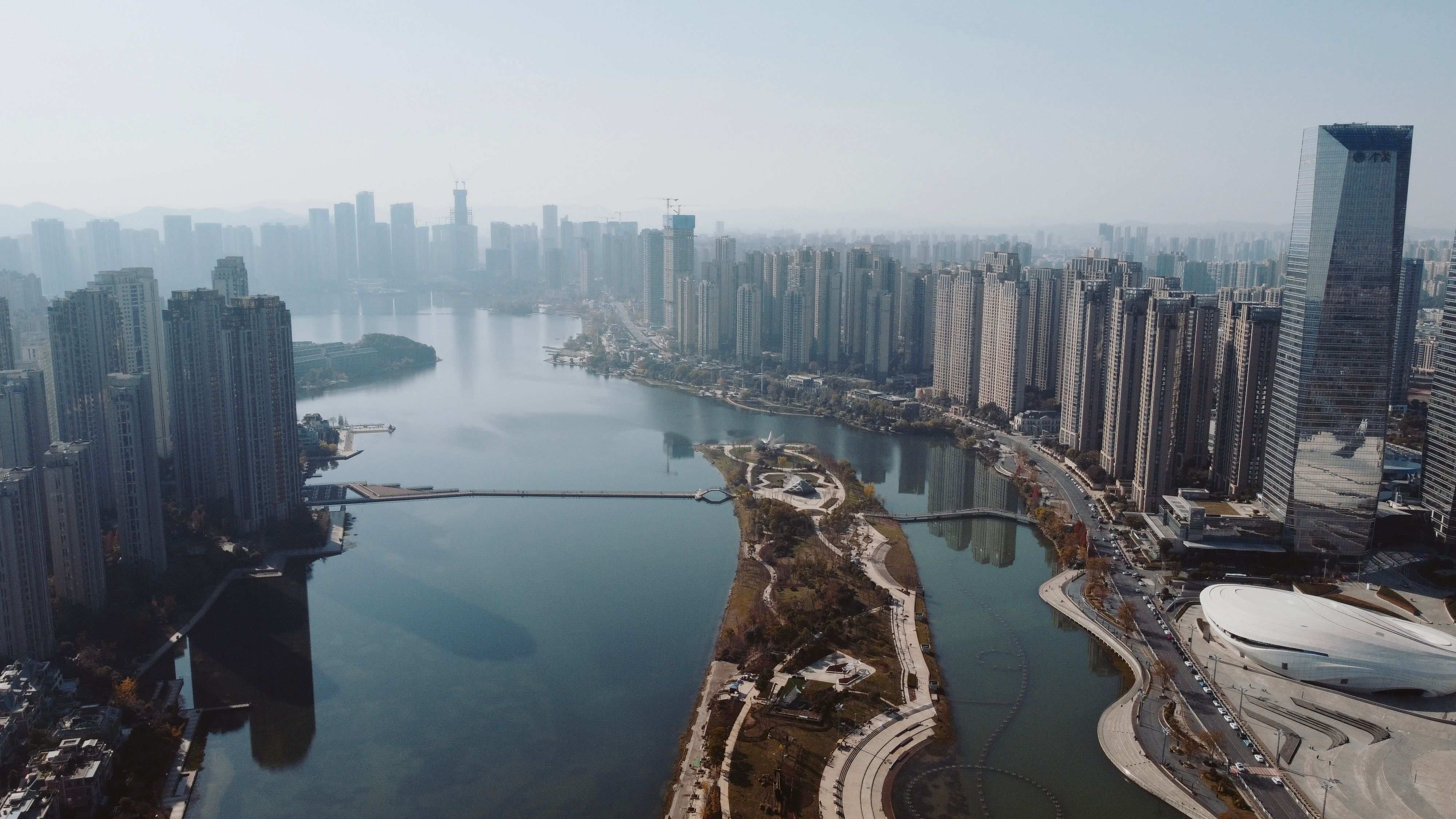
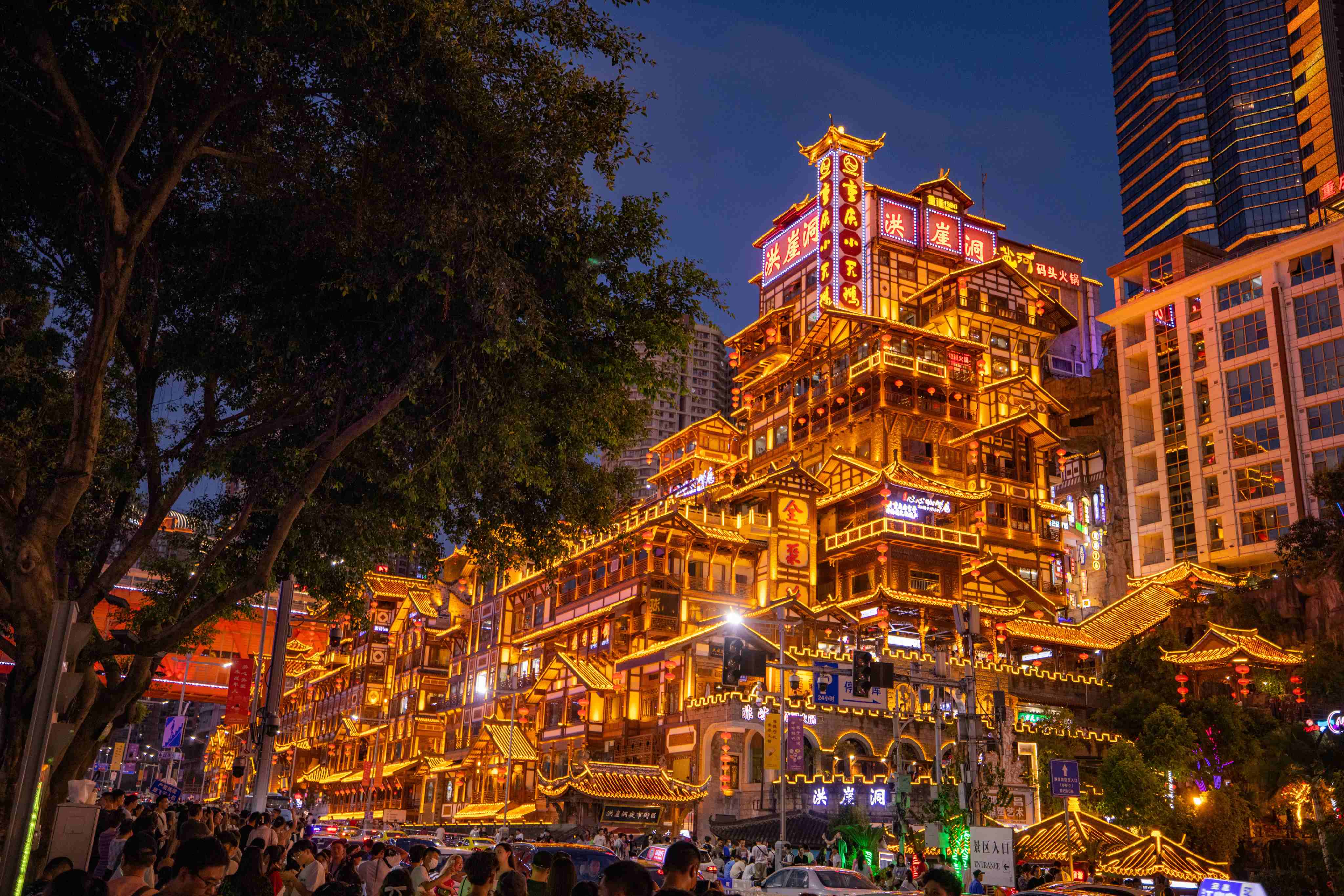
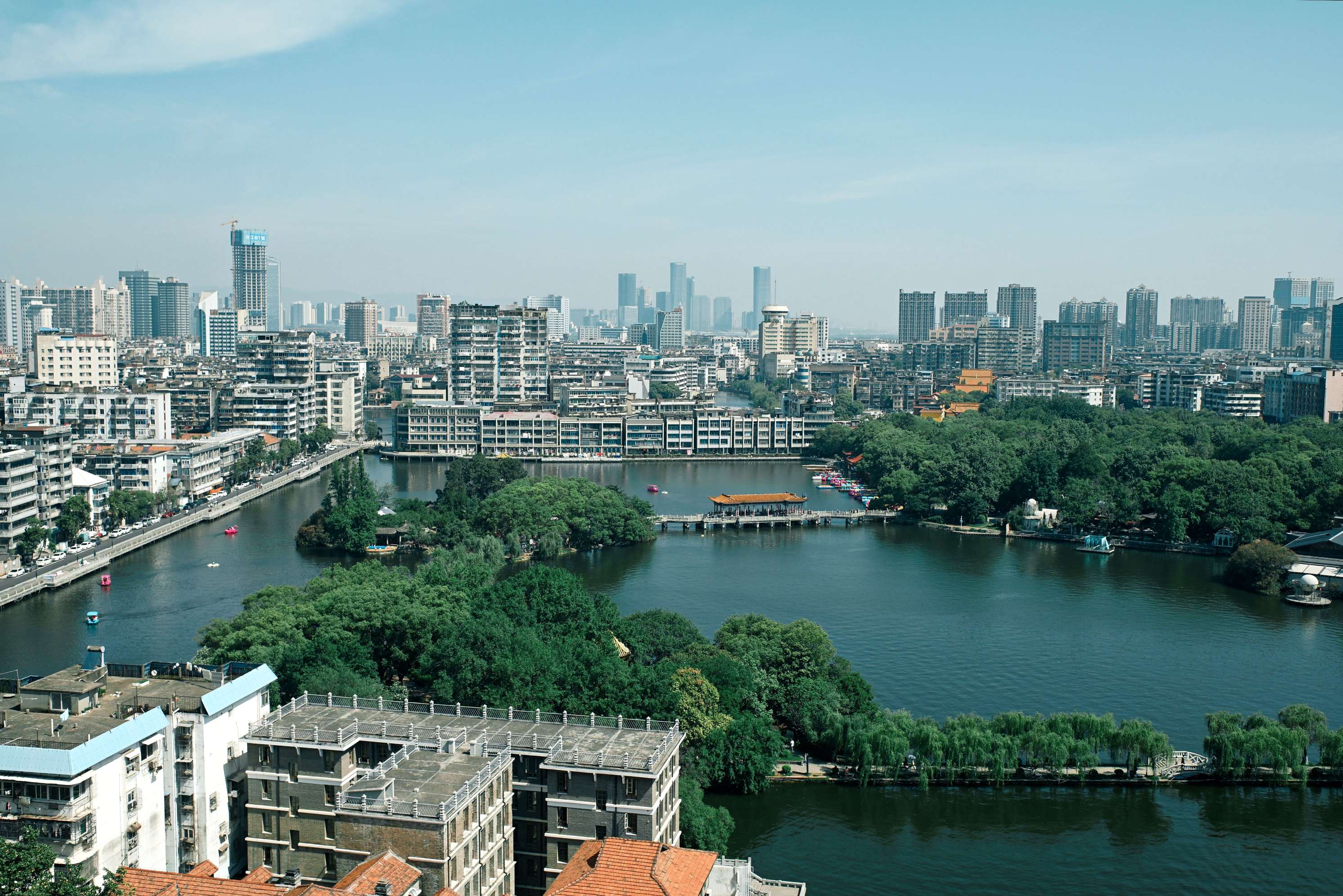
A study tour in China is more than travel—it helps children understand Mandarin, culture, history, technology, and daily life in authentic settings. Many children learn Mandarin in class but lack real-world opportunities to use it. In China, they naturally use Mandarin when asking directions, shopping, interviewing, visiting sites, expressing themselves, and completing team tasks. Mandarin becomes not just a test subject but an ability to see the world, understand culture, and express oneself.
Ordinary travel emphasizes sightseeing and check-ins; study tours emphasize children's participation, observation, expression, and growth. A China study tour doesn't simply take children to photo spots—it turns cities, culture, technology, nature, and daily life into learning tasks. Children visit with questions, experience with missions, and finally express their observations and gains in Mandarin. True study tours aren't about "where you went" but what children learned along the way.
Generally, children aged 6–12 are well suited for parent-child or junior study tours. At this age, children have basic expression, observation, and task-completion skills—ideal for city exploration, cultural experiences, intangible heritage crafts, nature observation, Mandarin missions, and group collaboration. Younger children need slower, lighter itineraries; older children can include more technology, career exploration, historical inquiry, and project-based learning.
Yes. The goal is not to test children but to help them want to use Mandarin in real life. They don't need to speak perfectly from the start—what matters is hearing, seeing, and trying to use Mandarin in authentic settings: asking directions, ordering food, shopping, interviewing, describing landmarks, completing group tasks. Many children don't dislike Mandarin—they simply haven't found its connection to their own lives. China study tours help rebuild that connection.
Safety is the first principle in camp design. Reputable study tours plan itineraries, transport, accommodation, meals, venues, and staffing in advance. Children won't go out alone during the camp—all outings, meals, classes, and activities are organized by teachers and trip leaders. Good study tours don't chase the fullest possible schedule—they design age-appropriate pacing so children can experience meaningfully while getting enough rest.
It depends on the camp type. For parent-child camps, we recommend parents join—they can share the experience and observe how their child expresses, collaborates, and acts independently in unfamiliar settings. For independent student camps, children are supervised by teachers and trip leaders throughout. Parents don't join daily activities but can follow their child's progress through photos, videos, group updates, or camp records.
We recommend 5–8 days. Too short tends to become ordinary sightseeing; too long may tire younger children. 5–8 days allows a complete learning rhythm: arrival adjustment, themed experiences, city exploration, cultural missions, group collaboration, and showcase. For children, the best study tour isn't rushing many places each day but having one clear theme per day to truly experience, understand, and express.
China study tours can include Mandarin expression, traditional culture, intangible heritage, city exploration, nature observation, technology experiences, career discovery, historical understanding, and teamwork. In Chengdu, children may explore panda conservation, Sichuan opera heritage, flight simulation, and drones; in Xiamen, marine culture, overseas Chinese history, and Gulangyu architecture; in Dali, Bai culture, tie-dye, tea culture, nature exploration, and ancient town missions. Each city has its own theme, but the core is learning in real China.
Usually yes. Good study tours document each day's experiences and growth through learning journals, photos, video, teacher feedback, or showcases. For parents, these records aren't just travel snapshots—they're proof of the learning process, showing how children participate, collaborate, express themselves in Mandarin, and grow more proactive step by step.
Reputable study tours usually use comprehensive packages. Fees generally cover program experiences, activities, local transport, meals, accommodation, teacher leadership, learning materials, insurance, and photography documentation. Whether international flights, visa fees, personal spending, extra shopping, or special add-ons are included varies by camp and should be confirmed for each program.
Don't see your destination?
We can design a custom Mandarin camp in almost any city in China. Tell us where you'd like to go.