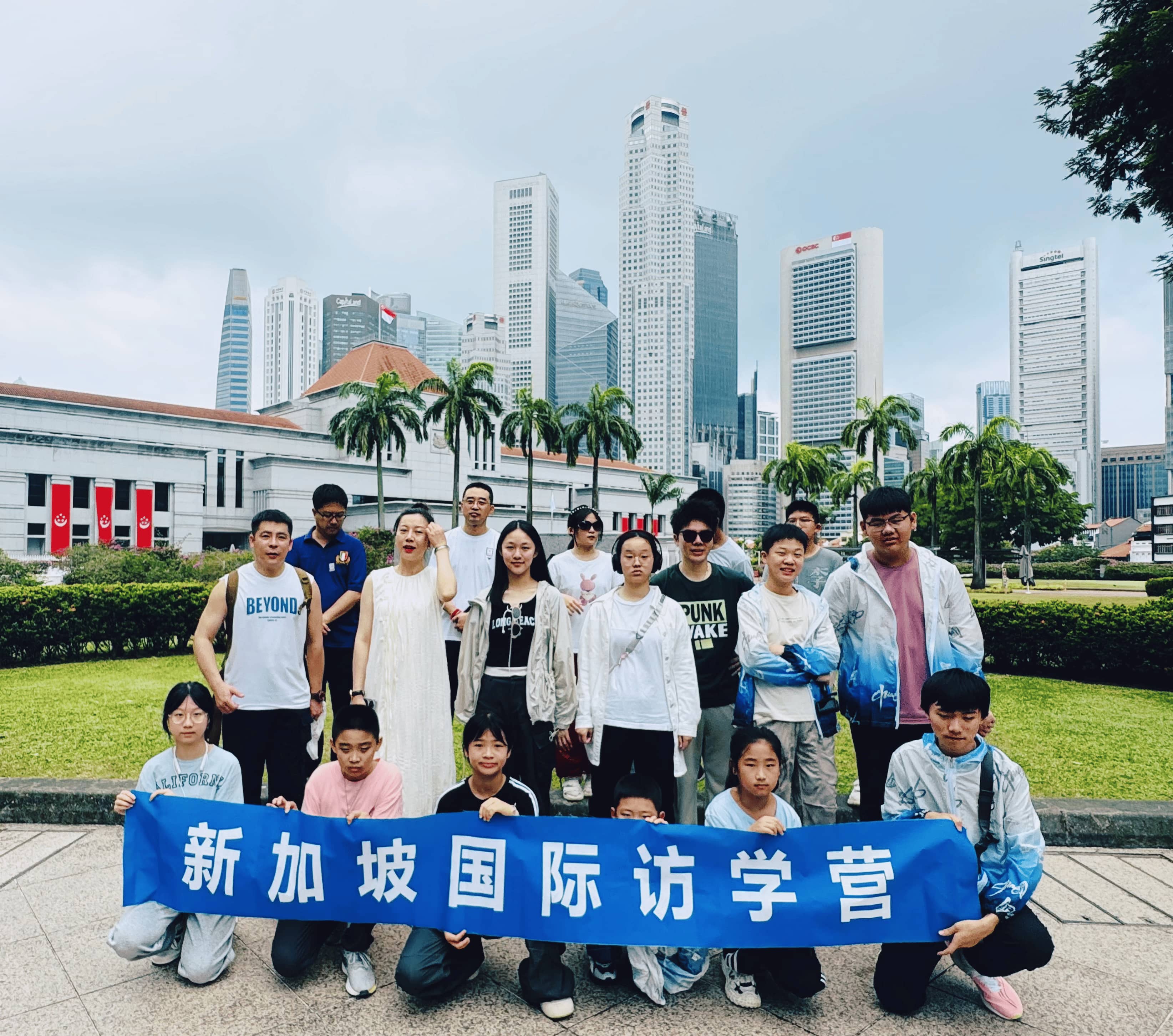
Yes. Singapore is safe, easy to get around, and linguistically diverse—with English and Chinese culture, adjustment costs are relatively low for Chinese children. Unlike distant Western countries or pure holiday destinations, Singapore suits a child's first contact with an international city, public order, bilingual life, multicultural society, and modern urban living.
We recommend 5–7 days. Too short tends to become ordinary tourism; too long may tire young children. 5–7 days suits city exploration, school visits, science experiences, nature education, multicultural activities, and final showcase. Family leisure tours can be lighter; school or institutional groups can add more tasks, records, and presentations.
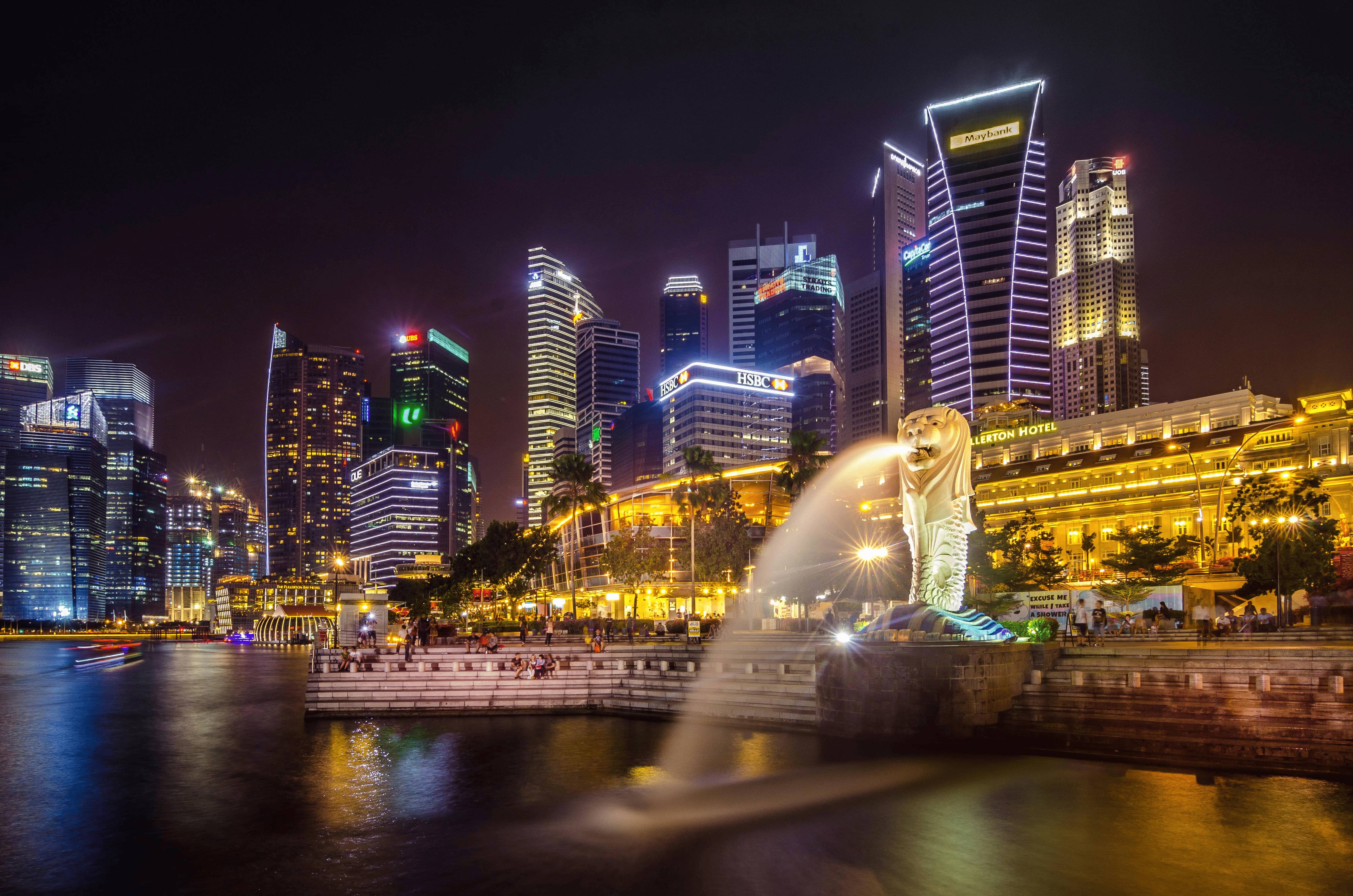
Ordinary tourism emphasizes sightseeing check-ins; study tours emphasize whether children observe, ask questions, express, and understand. At Marina Bay, it's not just photos but urban planning; at the zoo, not just animals but conservation; in Chinatown, Little India, and Kampong Glam, not just shopping but how cultures coexist. True study tours aren't about "how many places you went" but whether children can explain what they saw, learned, and newly thought.
It depends on passport and nationality. For ordinary Chinese passports, since 9 February 2024, visa-free stays of up to 30 days are allowed—but entry requirements still apply and SG Arrival Card must be submitted. Other nationalities, long-term courses, special study arrangements, or stays beyond ordinary short visits require checking latest ICA requirements.
Basics: passport, tickets, hotel info, itinerary, and SG Arrival Card. ICA requires SG Arrival Card submission within 3 days before arrival, including electronic health declaration. Passport should typically have at least 6 months validity—ICA automated clearance also notes compliant passports with at least 6 months validity.
Singapore is hot and humid year-round—tropical with no distinct seasons. Official tourism info suggests temperatures around 25–33°C; light breathable clothing and an umbrella for showers. Pack: short sleeves, light jacket, sneakers, umbrella/raincoat, sun protection, water bottle, spare clothes. Outdoor heat but malls, buses, MRT, and classrooms are air-conditioned—a light jacket is useful.
Generally yes. Singapore offers Chinese, Malay, Indian, Western, Japanese, and local snacks. Children usually adapt, but group tours should confirm allergies, dietary restrictions, halal, vegetarian, no spice, etc. Young children shouldn't have heavy flavors daily—balance local specialties with child-friendly meals.
Public transport (MRT, buses, taxis) is mature. Families can combine MRT and ride-hailing. For children's teams or school study tours, chartered buses or unified transport are recommended—safer and easier for teachers to manage boarding, transfers, separation, and lateness.
Singapore is orderly overall, but travel with children still requires caution. Team study tours must confirm trip leaders, staff ratios, assembly points, roll call, emergency contacts, insurance, medical response, and night management. Young children should avoid free movement—all outings, meals, transport, and activities should be organized by teachers. Parents should ask not just "Is Singapore safe?" but "Does this team have clear safety management processes?"
Usually local transport, accommodation, meals, program activities, visit arrangements, teacher leadership, learning materials, insurance, and photography. Whether international flights, visa fees, personal spending, shopping, or optional add-ons are included must be confirmed item by item. Don't only look at total price—check inclusions, accommodation standard, meals, transport mode, staff, and refund rules.
Don't see the right program?
We can design a custom study tour in Singapore for your group. Tell us your goals and dates.
.jpg)
.jpg)
.jpg)
.jpg)
.jpg)
.jpg)
.jpg)
.jpg)