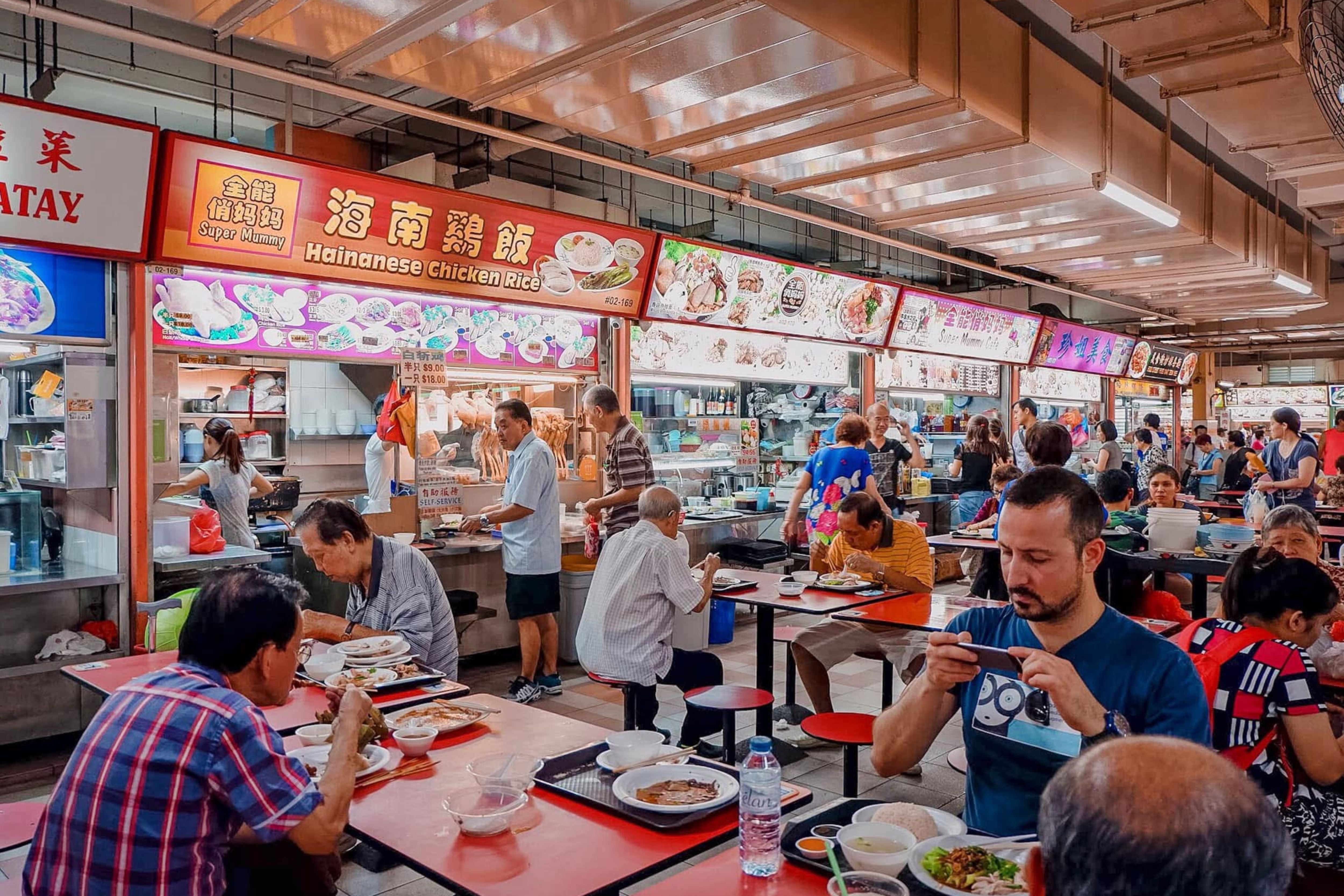
Help finding, viewing and securing suitable accommodation.
Settling-In Support
Bank accounts, SIM cards, transport and everyday essentials.
Bilingual Concierge
A dedicated point of contact for questions and appointments.
Family Orientation
Neighborhood guides, schools and community connections.
Medical & Insurance
Guidance on clinics, appointments and insurance options.
24/7 Assistance
Responsive support for urgent needs, whenever they arise.
How It Works
1
Tell Us Your Needs
Share your situation, timeline and priorities.
2
Tailored Plan
We arrange the right support package for your family.
3
Ongoing Care
We stay available as your everyday support partner.
Frequently Asked Questions
Singapore's cost of living is relatively high, especially housing, education, healthcare, transport, and daily family expenses. Actual spending varies greatly by family size, area, whether children attend school, domestic help, dining out, and car ownership. For newly arrived families, the key isn't single-line prices but overall budgeting: rent, tuition, meals, insurance, transport, activities, and emergency reserves.
Renting is often the first practical challenge. Confirm location, transport access, nearby schools, supermarkets, clinics, lease term, deposit, utilities, maintenance responsibility, and early termination. With children, consider nearby kindergartens, primary schools, playgrounds, libraries, MRT, and community facilities. Singapore is small but area convenience and rent differ significantly—where you live directly affects daily rhythm.
Singapore has government schools, international schools, private schools, kindergartens, tuition and enrichment. "Can they enroll" and "which school" depend on age, status, English, Mandarin, budget, and timing. For younger children, parents focus on language adaptation, routines, and peers. At primary or secondary level, plan for entrance exams, placement, school type, and future pathways. Many options exist but not all schools have vacancies anytime, and not every path suits every child.
Overall Singapore's healthcare is mature with ample clinics and hospitals. Minor issues usually start at a GP or polyclinic; complex cases refer to hospital. Childhood fevers, coughs, allergies, and stomach issues are common—families should know nearby clinics, A&E, and insurance claims. Prepare common medicines, insurance info, allergy history, vaccination records, and emergency contacts. Knowing where to go and how to communicate matters more than panic in emergencies.
It depends on how families arrange life. Singapore is small but rich in family activities, community facilities, libraries, parks, museums, science centres, the zoo, coastal trails, and enrichment. For families with children, the advantage isn't new attractions daily but stable order, friendly public facilities, and safe, clean spaces for sustainable growth. Many families shift from chasing excitement to enjoying routine.
Not just language and weather but lifestyle. Singapore runs on rules—many things need advance booking, proper process, and compliance: renting, passes, school enrollment, medical care, bills, transport, community life. New families feel anxious because everything is unfamiliar. Once familiar, Singapore's core strengths are stability, safety, clarity, and order. Living in Singapore isn't just changing cities but rebuilding family rhythm, rules, and security.
Settle In With Confidence
Tell us what you need and we'll take care of the details.